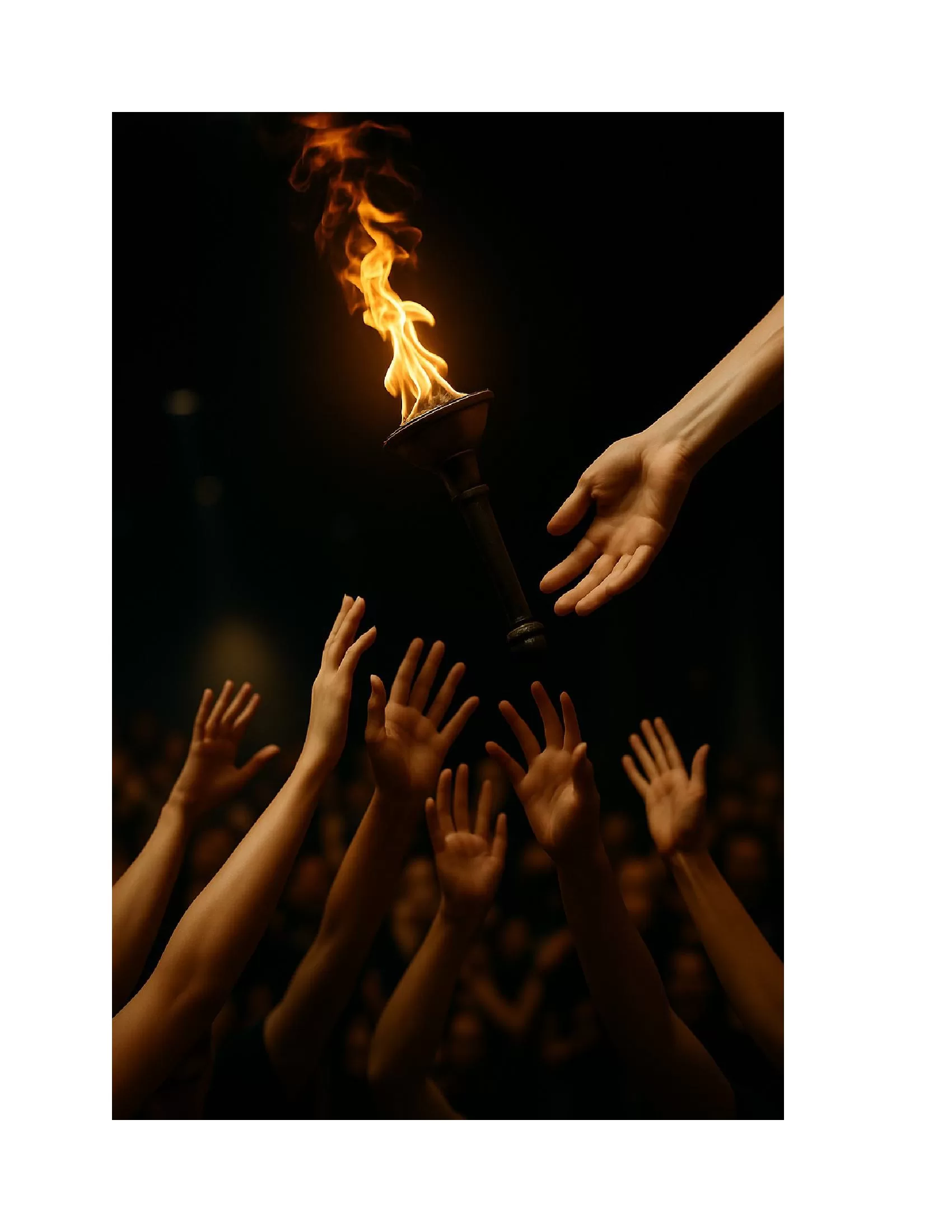
Charlie Built a Great Movement, Not a Great Monument
Turning Point USA was never meant to be “Charlie Kirk USA.” It was never designed as one man’s pulpit or a monument to his ego. And that, precisely, is why it flourished.

Turning Point USA was never meant to be “Charlie Kirk USA.” It was never designed as one man’s pulpit or a monument to his ego. And that, precisely, is why it flourished.

Real freedom, as paradoxical as it may appear, is not about throwing off every boundary. It is about discovering and embracing the right boundaries — the ones that give life meaning, purpose, and possibility.

The killing of Charlie Kirk was an atrocity — for his family, for his friends, for his supporters, and for America. It shook many who never even knew him personally. The death of someone who built a following by speaking, not legislating, marks a disturbing turn in how violence intersects with politics, culture, and influence.
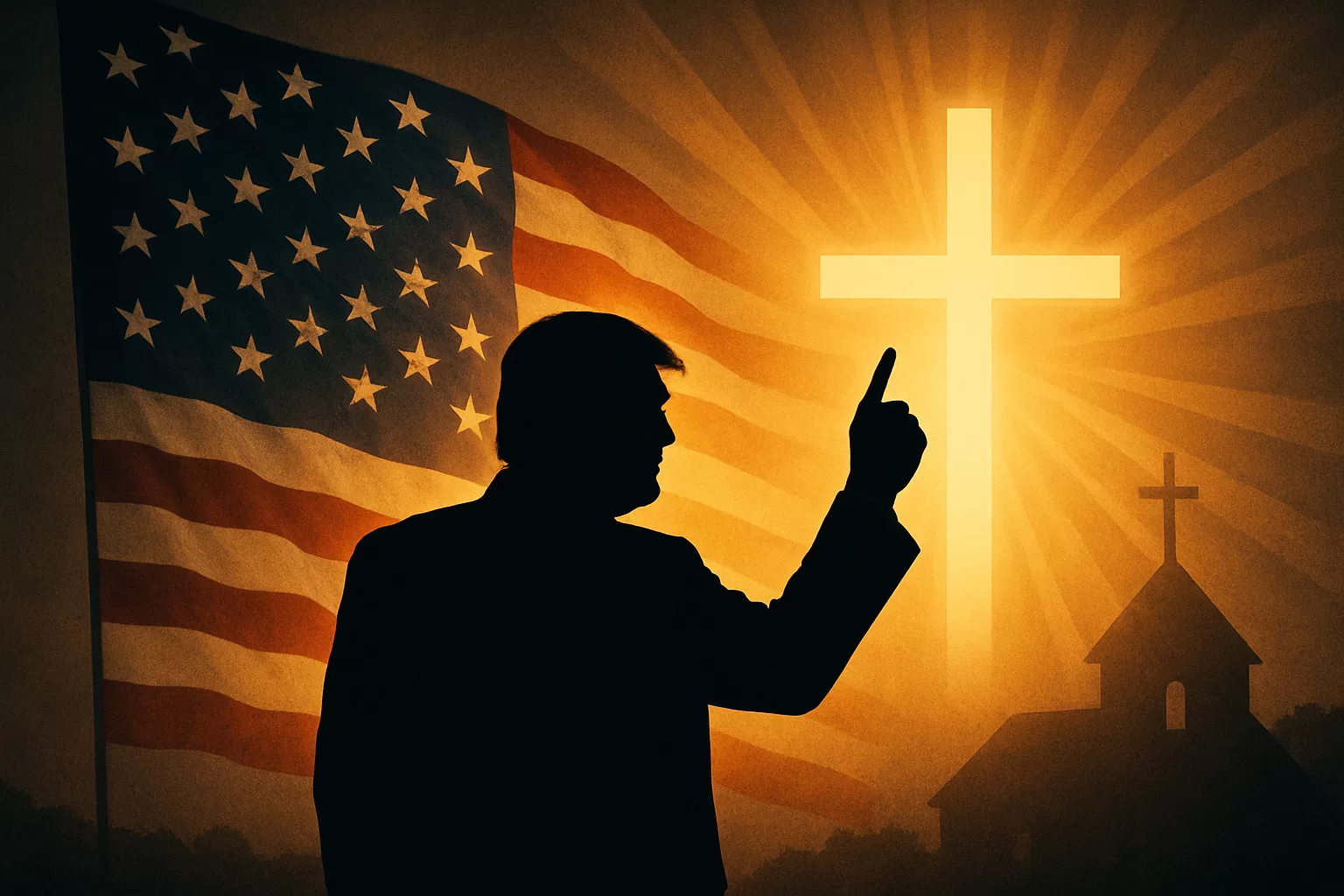
For Trump, this is not merely political theater. It is a reaffirmation of a theme he has carried since his first campaign: that without divine guidance, the United States risks losing both its character and its destiny. His declaration, “To have a great nation you have to have religion,” echoed through the hall like a rallying cry for those who believe America’s decline is tied to its drift from God.

Poverty and lack of opportunity play a powerful role in fueling crime, pushing some individuals into illegal activity out of desperation or hopelessness. Family breakdown is another critical factor. Generations of research show that children raised without stable parents are far more likely to engage in delinquent or criminal behavior. Meanwhile, the spread of drug culture and organized gangs perpetuates cycles of addiction, violence, and exploitation. Just as concerning is the broader cultural shift toward permissiveness. When lawlessness is tolerated, when crime is excused as an inevitable social symptom, deterrence erodes and offenders feel emboldened. These realities cannot be explained away as mere mental health issues; they reflect systemic and cultural failings that demand serious attention.

This deeper freedom is not contingent upon laws or governments. It is not subject to economic conditions or societal trends. It is the freedom to love fully, forgive genuinely, and live fearlessly. It empowers individuals to stand firm in their beliefs, even when doing so comes at a personal cost. Ester’s life is now characterized by a peace that surpasses understanding and a joy that transcends circumstance.
 Founders, Government, Immigration, Opinion, Policy, Published Articles
CRT, Education, Founders, Opinion, Published Articles, Wokeism
Founders, Government, Opinion, Policy, Published Articles
CRT, Faith, Founders, Opinion, Published Articles
Founders, Government, Immigration, Opinion, Policy, Published Articles
CRT, Education, Founders, Opinion, Published Articles, Wokeism
Founders, Government, Opinion, Policy, Published Articles
CRT, Faith, Founders, Opinion, Published Articles